Family Help
At Meadow View Academy, we firmly believe that the identification and implementation of early support supports, not only the pupils, but families of the school community to thrive.
Families First Project
Walsall is one of seven new areas in England selected to pilot the ‘Families first for children’ pathfinder programme – a national reform to children’s social care, which is designed to keep more children in safe and loving homes and improve child protection.
As a ‘pathfinder’ area, Walsall will test new ways of working to help more children stay with their families, and further strengthen the Early Help partnership to ensure families suffering from issues such as domestic abuse, addiction, and poor mental health, can receive Family Help at the earliest opportunity.
The programme will build upon Walsall’s existing multi-agency Family Safeguarding Service and Early Help offer.
The pathfinder programme is part of the government’s children’s social care reform strategy, Stable Homes, Built on Love, which aims to revolutionise the current system to put more focus on early intervention and best practice child protection where required.
The programme follows an Independent National Review to Children’s Social Care in 2021, which highlighted ways the social care system could better support children and families in England.
Please click the link to read the article – Walsall selected for national pilot to transform children’s social care
Find out more information on the Families first for children (FFC) pathfinder programme and family networks pilot (FNP) – GOV.UK (www.gov.uk)
Family Help at Meadow View Academy
|
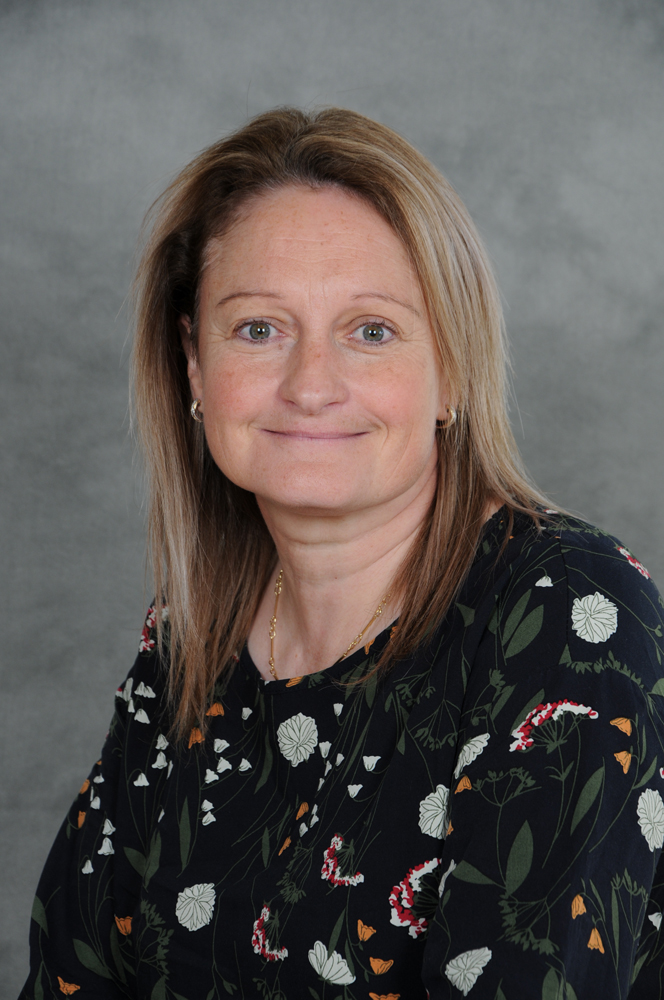
At Meadow View Academy, our Family Help Champion is Mrs Plant. As an experienced member of the safeguarding team, she has worked alongside the children, and families at Meadow View, to provide support on a range of matters, including, but not limited to:
|
 |
Our Family Help Offer
Below you will find examples of how we provide early support for the children and families at Meadow View Academy. This is not an exhaustive list, and we encourage parents and carers to contact school to discuss any concerns, no matter how small, as there are many avenues of support that can be accessed through our Safeguarding partnership and inter-academy working.
Drawing and Talking
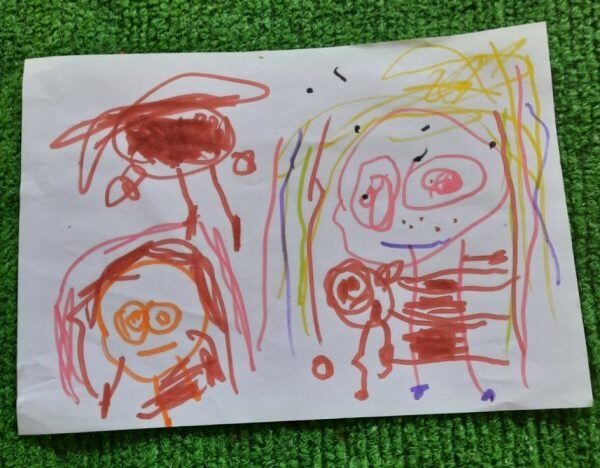
Drawing and Talking Therapy is the number one alternative to Cognitive Behaviour Therapy (CBT) and direct talking therapies, that can often be confronting or limiting in the processing of pain or trauma. As an attachment-based therapeutic intervention, Drawing and Talking Therapy is designed to complement Child and Adult Mental Health Services (CAMHS) and other specialist therapies.
Drawing and Talking allows individuals to discover and communicate emotions through a non-directed technique, setting it apart from existing solution-focused and cognitive-based therapies and interventions.
The Drawing and Talking courses provides everything needed to begin using this powerful and simple person-centred therapeutic approach, without additional specialist training. As a one-to-one intervention, Practitioners are trained how to lead a session in person or via remote facilities, so clients can receive consistent support even during extreme events
Key Aspects of Drawing and Talking:
Benefits: A consistent adult and child interaction enables the building of trusting relationships, and provides a safe space for the child to process information. Time is protected to provide a consistent rhythm of support for the child. Over time, a symbolic resolution is found to conflicts and trauma begins to heal.
Structure: Adults meet with the child for 30 minutes on the same day, at the same time and place each week.
Duration: Interventions are time-limited, often lasting around 12 weeks; however, this can be revisited as needed.
Lego Therapy
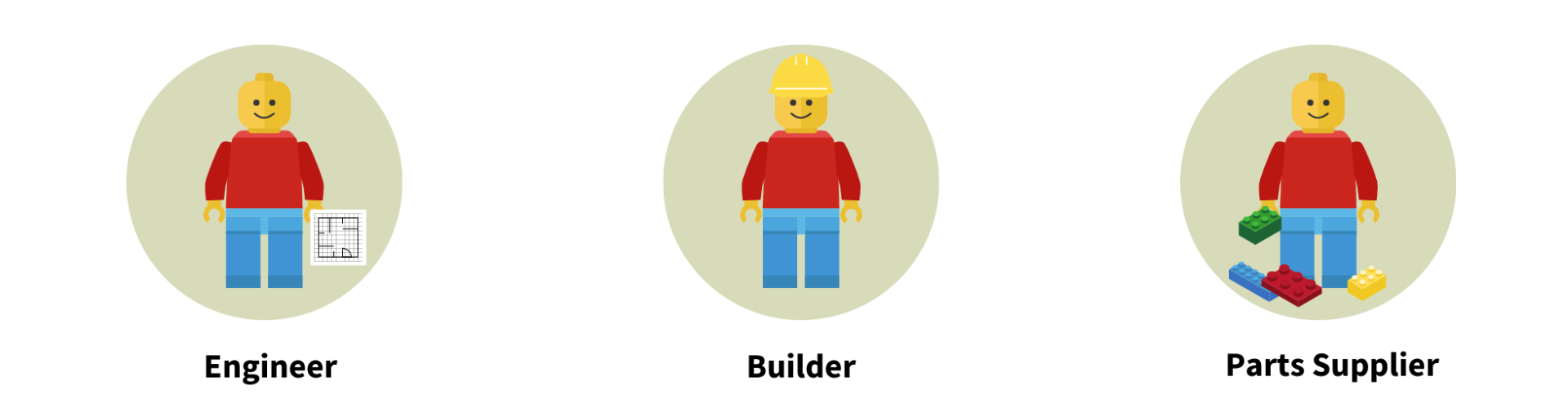
Lego-Based Therapy is an evidence-based collaborative play approach, designed to support pupils in developing social, communication, interaction and emotional skills. Working in small groups, children rotate roles (Engineer, Supplier and Builder) to build Lego sets, fostering teamwork and communication.
Key Aspects of Lego Based Therapy:
Benefits: Improves turn taking, sharing, resilience and self-esteem.
Structure: Sessions generally last for 30 minutes, and are supervised by a trained facilitator, who encourages communication and interaction.
Duration: Sessions can be completed for a number of weeks; this is typically decided by the pupils' own development of skills.
ELSA Groups
Emotional Literacy Support Assistants (ELSAs) are trained school staff who provide tailored support to children and young people for social, emotional, and mental health needs, including emotional regulation, self-esteem, and social skills. They are supervised by Educational Psychologists and offer both individual and small-group interventions.
Key Aspects of ELSA Groups
Young Carers Group
A young carer will take on additional responsibilities to those appropriate to their age and development. A young carer might be providing the main care or share responsibilities with another family member. The caring tasks that a young carer has to deal with can range from:
- Nursing care: giving medication, injections, changing dressings, assisting with mobility etc.
- Personal intimate care: washing, dressing, feeding and helping with toilet requirements.
- Emotional care: being compliant, monitoring the emotional state of the person cared for, listening, being a shoulder to cry on, supporting a parent through depression and trying to cheer them up. In cases where a young carer is supporting an adult with drug/alcohol misuse problem, they will often take a leading role in trying to keep that person safe.
- Domestic care: doing a substantial amount of housework, cooking, shopping, cleaning, laundry etc.
- Financial care: running the household, bill paying, benefit collection etc.
- Childcare: taking responsibility for younger siblings in addition to their other caring responsibilities.
- Communication & Interpreting: communicating on behalf of the adult or family with agencies/services and interpreting for a language or sensory impairment.
We recognise the importance of Young Carers through class based learning, as well as by celebrating the work of Young carers through events such as Young Carers Day, Young Carers Week and hosting Young Carers Meet and Treat events in school.
For more information on Young Carers, please visit our Young Carers page.
AV1 Robot
The AV1 is a small telepresence robot, designed by No Isolation, to serve as a physical presence for children unable to attend school due to a long term condition. Weighing 1.5kg, and standing 30cm tall, it acts as the pupil's eyes, ears, and voice within the classroom via a live app.
Mentoring
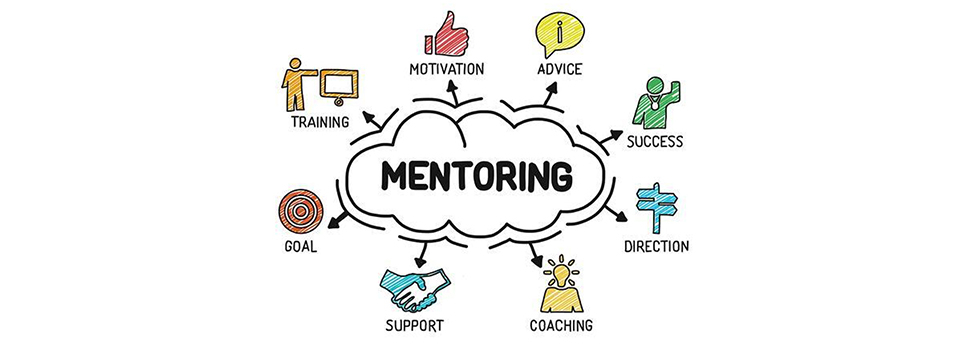
Pupil Mentoring pairs pupils with a trained mentor, to provide tailored academic, social and emotional support. It enhances confidence and engagement, whilst reducing demands.
Parent / Carer Workshops / Referrals to services
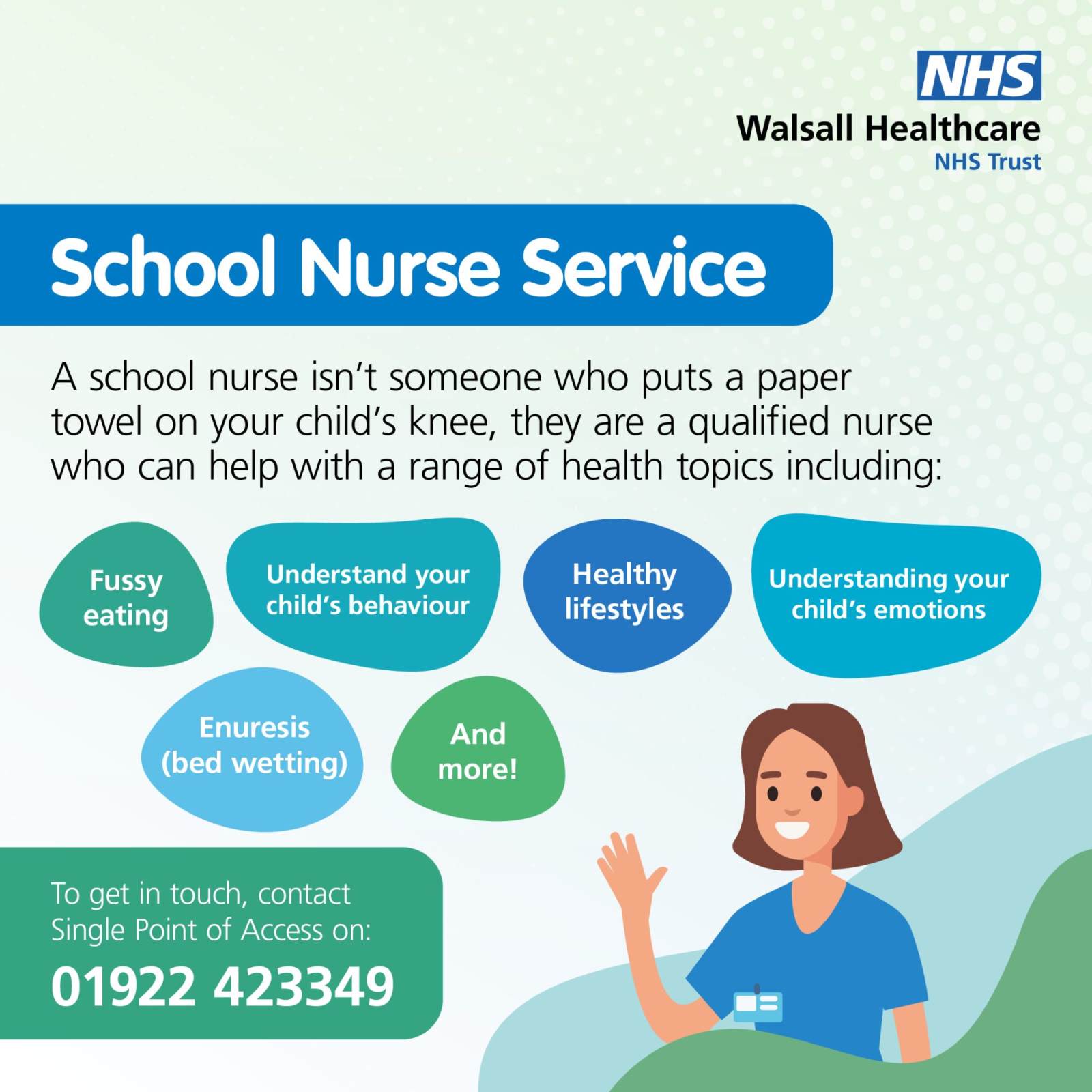
At Meadow View, we host a variety of parent and carer workshops and welcomed outside agencies into school to work with parents and carers on a variety of topics, including night time enuresis, managing worries about transitions and anxiety.
We share updates about parent and carer workshops via emails sent from our Arbor MIS. Moving forwards, we will also promote upcoming workshops through this webpage.
Also, we can signpost families to a range of services. If you feel that further support on a specific concern may be of benefit, please contact school to arrange a meeting, where we can discuss your concerns. Below is an example of the types of services that we can signpost families to.
Early Help Assessments and Walsall Local Offer
As a school, we will work with families to undertake a Family Help Assessment. From this we will be able to identify the support required by families. If families would like to book a meeting with a member of staff to discuss Family Help Assessments, and we can explore the types of support that may be of benefit.
For further information, please click Walsall's Early Help Offer.
The HAF Project
 |
The Holiday Activities and Food Programme (HAF) is a free programme for children and young people. It runs over Easter, Summer and Christmas school holidays. Your child is eligible if they are:
The HAF programme work with providers to develop an exciting and enriching programme of activities. These include schools, local voluntary and community groups, childcare providers and local businesses. Programme aims:The HAF aims are for children who attend this provision to:
The HAF programme also want to ensure that the families who take part in this programme:
|
For more information about the HAF programme, click on the video below:
https://synthesia-ttv-data.s3-eu-west-1.amazonaws.com/video_data/8a436a73-9119-40b9-89ed-9cdf9da0948a/versions/8/transfers/rendered_video.mp4
Signposting to services